
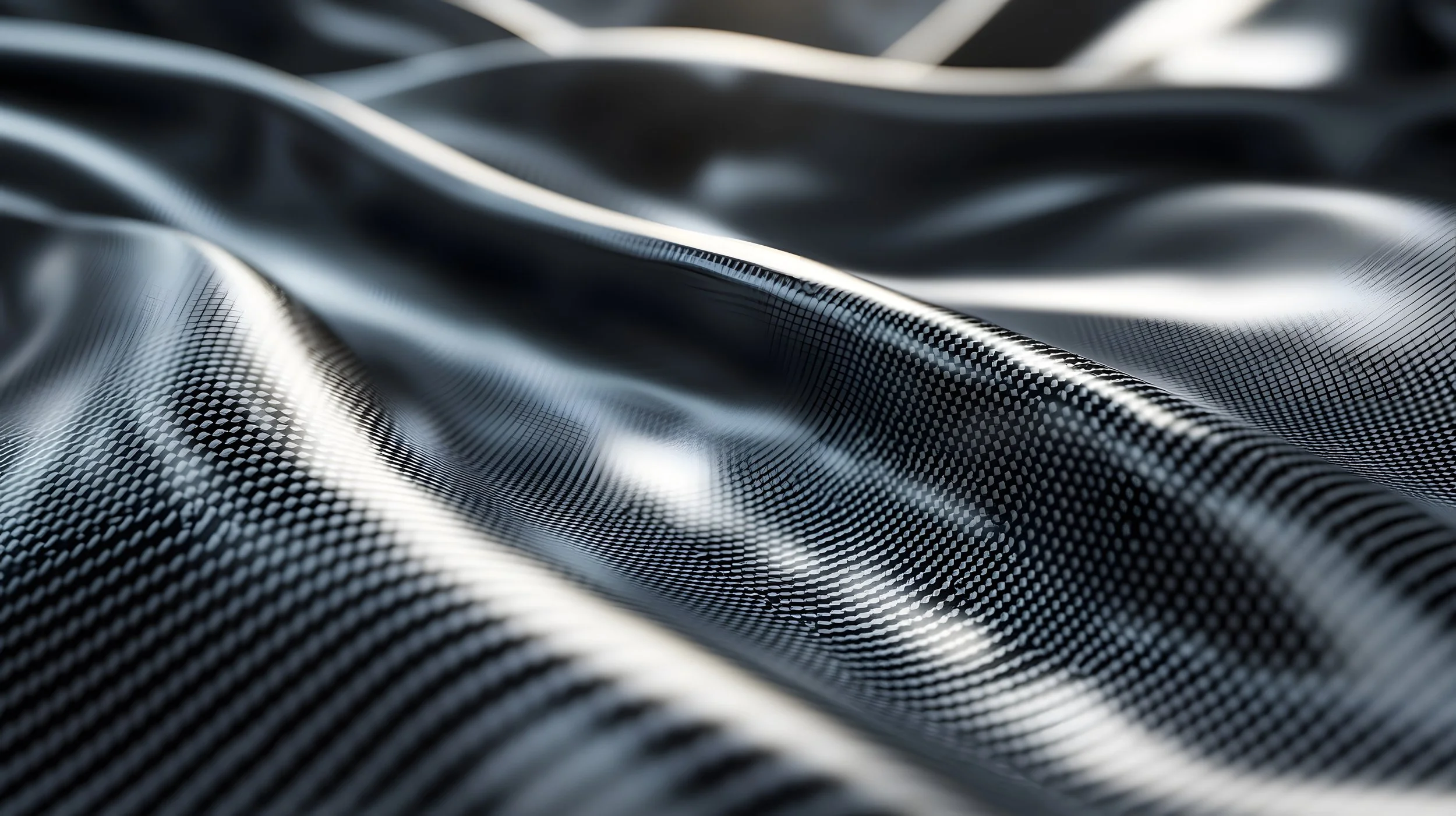
Carbon Fiber for the Aerospace & Defence Industry
Carbon fibre has become a materials standard in aerospace because it delivers high specific strength and stiffness at a fraction of the weight of metals. The result is lower fuel burn, extended range, reduced emissions, and consistent dimensional stability across a wide temperature envelope. As a manufacturer of carbon fibre parts, we support aerospace programs from concept through certified production with repeatable, high-quality composite components built for flight-critical performance.
Carbon fibre is used across primary and secondary structures. Typical primary airframe applications include wing skins and spars, fuselage sections, tailplanes, and control surfaces, where unidirectional laminates and sandwich constructions achieve high stiffness-to-weight ratios. Secondary structures—nacelles, fairings, radomes, landing gear doors, winglets, and access panels—leverage carbon fibre for aerodynamic efficiency, corrosion resistance, and durability. In propulsion systems, composites are employed in fan cases, containment rings, thrust reverser components, and selected fan blades, where impact resistance and damage tolerance are engineered through toughened resin systems and tailored ply architecture. Interiors use carbon fibre sandwich panels for sidewalls, ceilings, galleys, monuments, seat structures, and cargo floors, balancing weight reduction with fire, smoke, and toxicity (FST) compliance.
Performance advantages drive adoption. Carbon fibre delivers:
High specific strength and modulus for stiffness-critical structures.
Excellent fatigue resistance and corrosion immunity compared to aluminum and steel.
Low coefficient of thermal expansion for tight tolerance retention.
Integrated lightning strike protection using expanded copper foil or mesh without significant mass penalty.
Superior vibration damping and acoustic performance in nacelles and cabins.
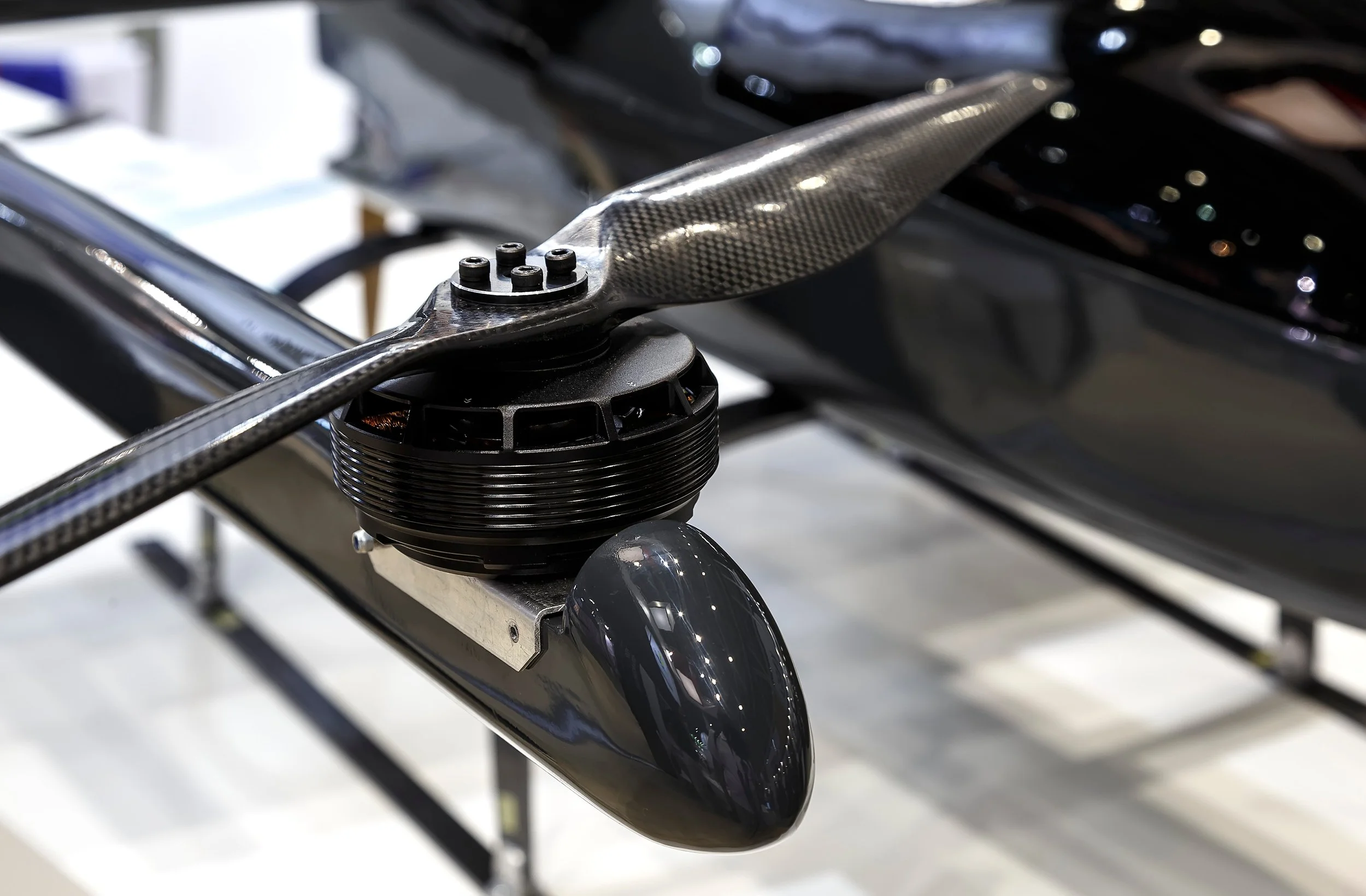
We manufacture with aerospace-grade materials and processes matched to each application. Prepreg layup with automated fiber placement (AFP) and automated tape laying (ATL) enables accurate fiber orientation and repeatable laminate quality for large skins and spars. Resin transfer molding (RTM) and compression molding deliver near-net-shape brackets and complex fittings with high throughput. Out-of-autoclave (OOA) and autoclave curing are selected based on part class, rate, and qualification requirements. Filament winding supports pressure vessels and cylindrical structures. Sandwich constructions are produced with Nomex or aluminum honeycomb and high-performance foams, using co-cure, co-bond, or secondary bonding strategies as required.