
Carbon Fiber for the Marine Industry
Carbon fibre is redefining marine performance, efficiency, and durability across commercial, defense, and leisure vessels. Its exceptional stiffness-to-weight ratio, fatigue resistance, and inherent corrosion resistance deliver measurable gains in speed, range, payload, and lifecycle cost—critical outcomes in saltwater environments where weight and maintenance drive total ownership cost.
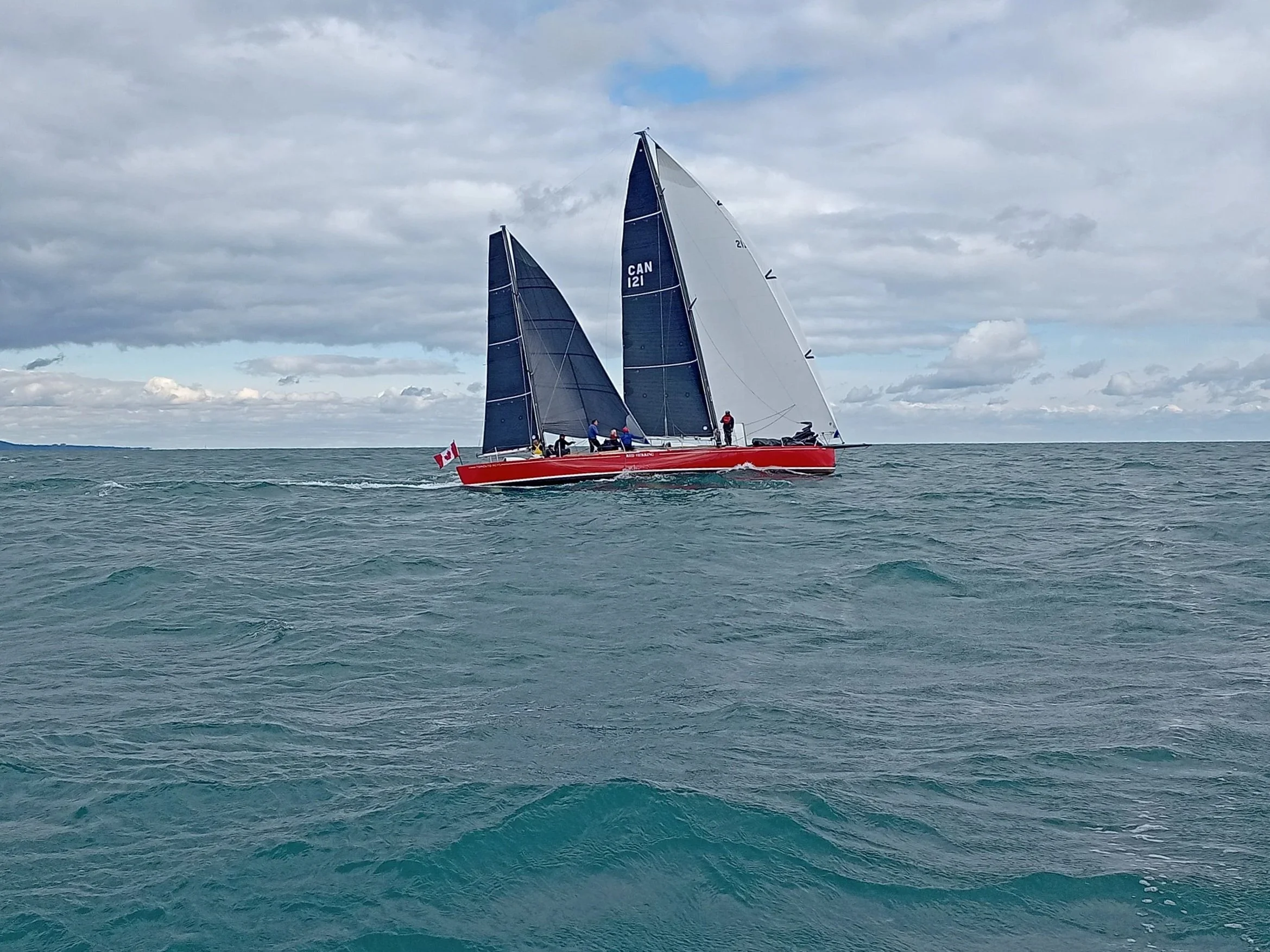
In structural applications, carbon fibre is used in hulls, decks, and superstructures, typically as sandwich constructions with foam or balsa cores. The result is high global stiffness with low mass, improving seakeeping, reducing slamming loads, and enabling higher topside structures without compromising stability. For high-performance sailing, carbon masts, booms, rigging components, and spinnaker poles provide superior bend control and dynamic response. Foils, daggerboards, rudders, and steering quadrants benefit from tailored fibre architecture for strength, torsional rigidity, and damage tolerance. In propulsion and driveline systems, carbon fibre shafts and couplings reduce inertia and vibration, supporting smoother operation and improved fuel efficiency. Non-structural applications—hatches, consoles, decks, interior panels, fairings, radomes, enclosures, and seating—leverage weight savings and corrosion immunity to minimise upkeep and extend service life.
The primary advantages are clear:
Reduced weight: Lower displacement increases speed and range or allows additional payload without penalty. Weight saved aloft and topside improves stability and roll response.
Corrosion and fatigue resistance: Carbon/epoxy composites are immune to galvanic corrosion in isolation and offer excellent fatigue performance in cyclic loading.
Precision and repeatability: Net-shape manufacture with CNC-cut patterns and precision tooling delivers consistent tolerances and streamlined assembly.
Acoustic and vibration benefits: Tailored laminates improve damping and reduce transmitted vibration, enhancing crew comfort and equipment longevity.
Design flexibility: Fibre placement and laminate stacking enable anisotropic properties aligned with load paths for efficient structures that metals cannot match.

We manufacture carbon fibre parts for marine OEMs, shipyards, and naval architects, from prototypes to serial production. Processes include prepreg/autoclave for maximum fibre volume and surface finish, and vacuum infusion (VARTM) or out-of-autoclave prepreg for large structures and weight-critical panels. We engineer hybrid laminates where appropriate—combining carbon with glass or aramid in slamming zones, impact areas, or to tune dielectric properties.
Marine-specific engineering considerations are built into our components:
Core materials and bonding: PVC, PET, SAN, and balsa cores with optimised densities, edge close-outs, and hardpoints to control local bearing loads.
Metallic interfaces: Isolated inserts, bonded studs, and bushings with dielectric barriers to mitigate galvanic coupling in wet service.
Lightning and EMI: Copper or aluminium mesh integration for rigs, radomes, and superstructures requiring strike protection or RF transparency.
Resin systems: Toughened epoxies for primary structure; FST-compliant systems for interiors meeting IMO FTP Code. UV-stable coatings for exterior durability.
Quality assurance: NDI (ultrasonic, tap test) as required, cure monitoring, and full traceability. Documentation aligned with class society expectations (DNV, ABS, Lloyd’s) and customer specifications.
Our upstream support includes laminate design, finite element optimisation, tool design, and design-for-manufacture to reduce part count and assembly time. Downstream, we offer 5-axis trimming, bonded assembly, sealant and hardware installation, and marine-grade finishing. The outcome is a lighter, stiffer, and more durable component delivered with predictable cost and schedule.
Whether the goal is decarbonisation through lower fuel burn, extending range for unmanned surface vessels, increasing rig efficiency on performance yachts, or improving reliability in corrosive environments, carbon fibre delivers a proven advantage. We partner with marine professionals to specify, manufacture, and qualify the right composite solution for mission and market.